
Tesla’s Transition from Model S and X to a Future of Autonomy
The Conclusion of an Era for Model S and X
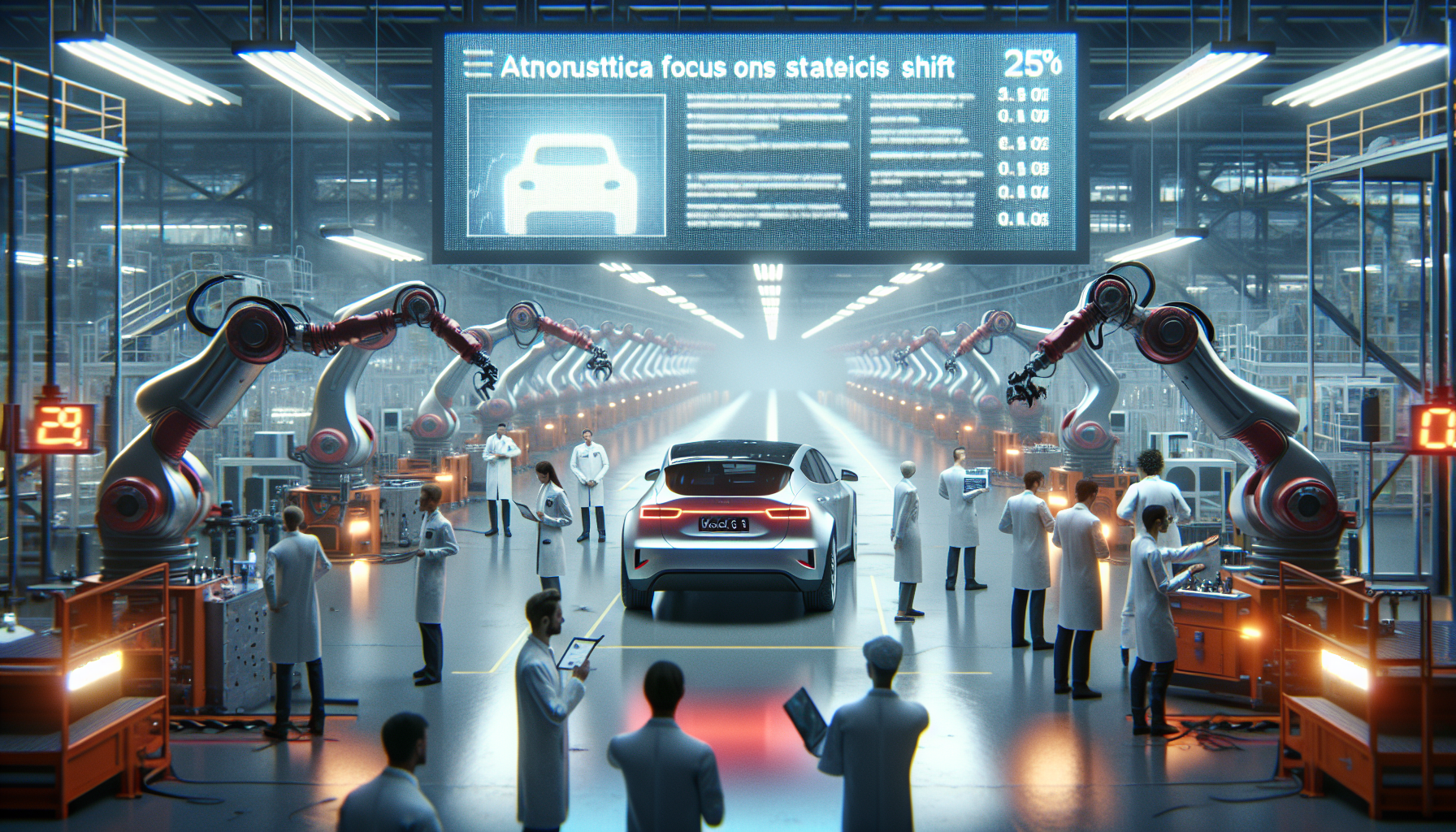
Tesla has revealed a notable change in its production approach, signifying the conclusion of an era for the Model S and X electric vehicles. CEO Elon Musk disclosed during the automaker’s earnings call for the 2025 fiscal year that the production of these models will end next quarter. This choice aligns with Tesla’s broader strategy to move towards a future focused on autonomy and advanced robotics.
The Ascendancy of Model 3 and Y
Though the Model S and X have been iconic in Tesla’s offering, their appeal has diminished in recent years. The newer Model 3 and Y have taken center stage, representing the bulk of Tesla’s sales. In 2025, Tesla delivered 1,585,279 Model 3 and Y vehicles compared to just 418,227 Model S and X units. The change in consumer preference demonstrates the shifting landscape of electric vehicles and Tesla’s capability to adjust to market needs.
Hurdles in the Global Market
Tesla encountered obstacles in the global market, particularly in China, where it was forced to suspend sales of the Model S and X in mid-2025. The vehicles were imported from the US and faced tariffs imposed by China in retaliation to US tariffs on imported goods. This scenario highlights the intricacies of international trade and its repercussions for the automotive sector.
The Future: Optimus Humanoid Robots
As Tesla phases out the Model S and X, the production area at the Fremont factory will be reallocated for the manufacture of Optimus humanoid robots. Musk has grand ambitions for Optimus, perceiving it as a groundbreaking product that could outshine the influence of cellphones. Despite encountering challenges during demonstrations, Tesla aspires to produce 1 million Optimus robots in the forthcoming years, with public sales anticipated by the end of next year.
Investment in AI and xAI
Tesla’s earnings report also disclosed a $2 billion investment in Musk’s other initiative, xAI. This decision has generated controversy among shareholders, who previously litigated against Musk in 2024, contending that xAI directly competes with Tesla. Nevertheless, shareholders ratified Musk’s $1 trillion pay package in late 2025, dependent on Tesla achieving a market value of $8.5 trillion.
Conclusion
Tesla’s choice to halt production of the Model S and X represents a crucial moment in the company’s evolution. As it shifts towards autonomy and robotics, Tesla continues to expand the frontiers of innovation. While challenges persist, particularly in global markets and shareholder relations, the firm’s emphasis on AI and advanced technologies prepares it for a transformative future.
Q&A
Why is Tesla halting production of the Model S and X?
Tesla is ceasing production of the Model S and X to prioritize autonomy and the creation of Optimus humanoid robots.
What will occur with existing Model S and X vehicles?
Tesla will maintain support for existing Model S and X vehicles as long as they are operational.
How have Model 3 and Y influenced Tesla’s sales?
The Model 3 and Y have emerged as Tesla’s top-selling vehicles, greatly surpassing sales of the Model S and X.
What challenges did Tesla encounter in China?
Tesla had to cease sales of the Model S and X in China due to tariffs levied on US imports.
What is Optimus, and what makes it significant?
Optimus is Tesla’s humanoid robot, which Musk believes could become the most significant product of all time, exceeding even cellphones.
How has Tesla’s investment in xAI impacted the company?
The investment in xAI has sparked controversy among shareholders, but it aligns with Musk’s vision of positioning Tesla as an AI-driven company.
What are the prerequisites for Musk’s $1 trillion pay package?
Musk’s compensation package is conditional on Tesla reaching a market value of $8.5 trillion.
