
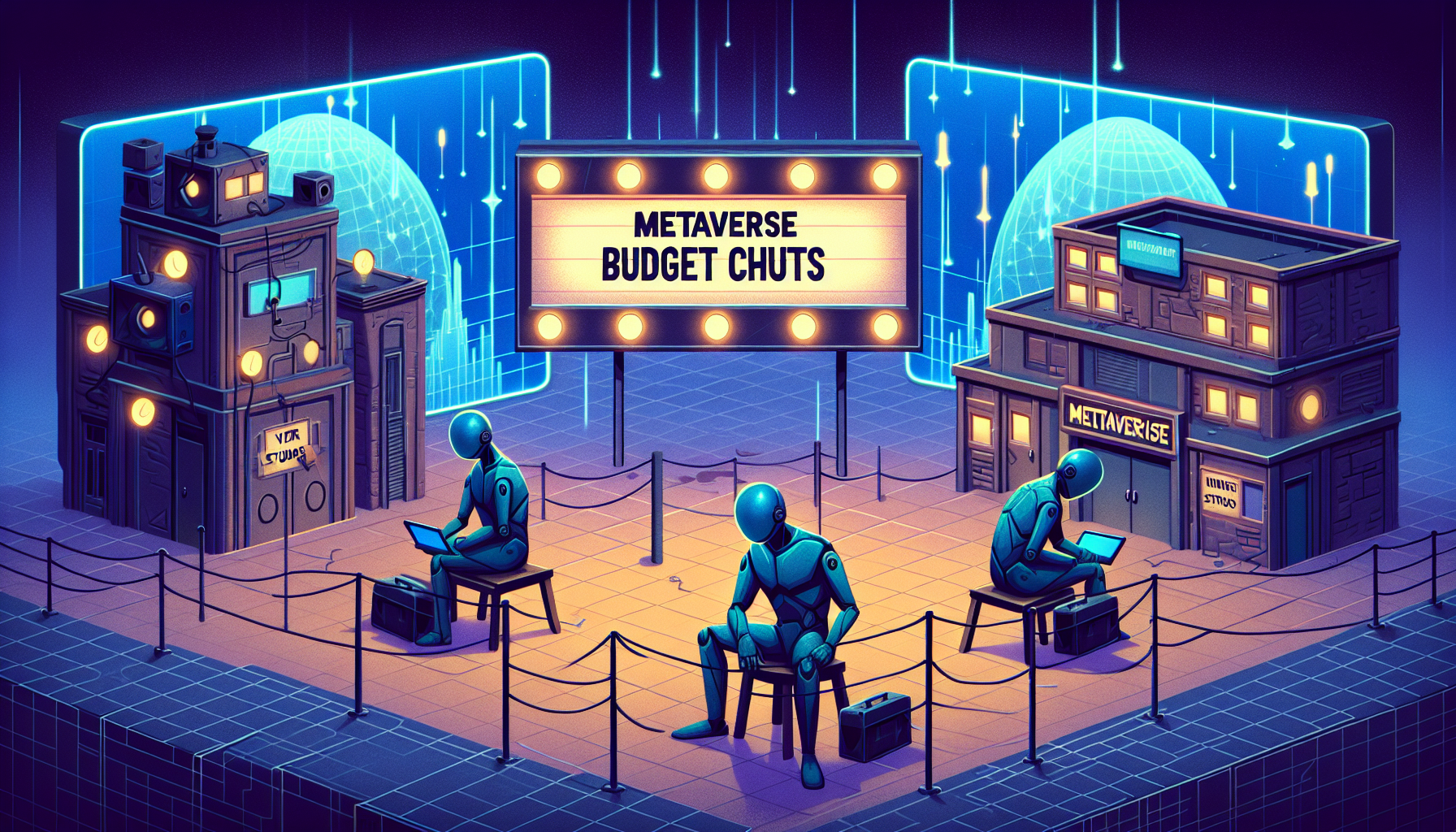
Meta’s VR Studios Encounter Layoffs Amid Metaverse Transformation
Meta’s latest choice to shut down several of its VR studios signifies a considerable change in its strategic emphasis. The closures of Armature, Sanzaru, and Twisted Pixel have created significant waves in the VR community, raising uncertainties about the future of Meta’s funding in virtual reality.
Effects of Studio Closures
The shutdown of these studios, recognized for hit titles like Marvel’s Deadpool VR and Asgard’s Wrath, indicates a shift in Meta’s stance on VR. Armature, which adeptly transitioned Resident Evil 4 to Quest in 2021, is also on the list of affected studios. The VR fitness application Supernatural, popular among fitness fans, will no longer receive new content updates, though it will continue to be available for current users.
Meta’s Strategic Transition
A Meta spokesperson confirmed the shutdowns, linking them to a strategic realignment away from the Metaverse toward wearables. This strategy is part of a larger initiative to reinvest savings to back the growth of wearables in 2024. The choice has raised concerns regarding Meta’s dedication to the VR domain, particularly since the firm has not unveiled new VR headsets since the Quest 3S in 2024 and has halted planned Horizon OS headsets from Asus and Lenovo.
Dedication to Third-Party Developers
In spite of these developments, Meta asserts its ongoing commitment to the VR sector. Oculus Studios director Tamara Sciamanna highlighted a reallocation of investment focus toward third-party developers and collaborators to guarantee long-term viability. This plan aims to cultivate a strong ecosystem by assisting external developers instead of solely depending on in-house game creation.
The Prospects of Meta’s VR Ecosystem
Meta’s move to reduce its in-house VR creation prompts inquiries about the outlook of its VR ecosystem. While the firm is shifting resources toward wearables, it remains unclear how this will affect the wider VR environment. The emphasis on third-party developers implies a possibility for diverse and innovative content, but the effectiveness of this approach will hinge on Meta’s capacity to nurture and support these external collaborations.
Conclusion
Meta’s recent layoffs and studio closures indicate a strategic transition from VR to wearables, igniting discussions over the company’s long-term dedication to virtual reality. Although the pivot toward third-party developers presents opportunities for innovation, the future of Meta’s VR ecosystem is still in question. As the company maneuvers through this change, the industry will keenly observe how these developments unfold.
Q&A
Q: Why did Meta shut down its VR studios?
A: Meta shut down its VR studios as a part of a strategic shift from the Metaverse to concentrate on wearables, reallocating resources to support the advancement of wearables in 2024.
Q: What will occur with the Supernatural app?
A: The Supernatural app will stop receiving new content updates but will remain operational for current users.
Q: Is Meta giving up on VR development?
A: No, Meta is not giving up on VR development. Rather, the company is transitioning its investment focus to third-party developers and partners to ensure enduring viability.
Q: What does this imply for Meta’s future VR headsets?
A: Meta has not announced any new VR headsets since the Quest 3S in 2024 and has paused scheduled Horizon OS headsets from Asus and Lenovo, indicating a potential reassessment of its VR hardware strategy.
Q: How will Meta aid third-party developers?
A: Meta intends to assist third-party developers by reallocating investments and resources to promote a sustainable and innovative VR ecosystem through external collaborations.
