
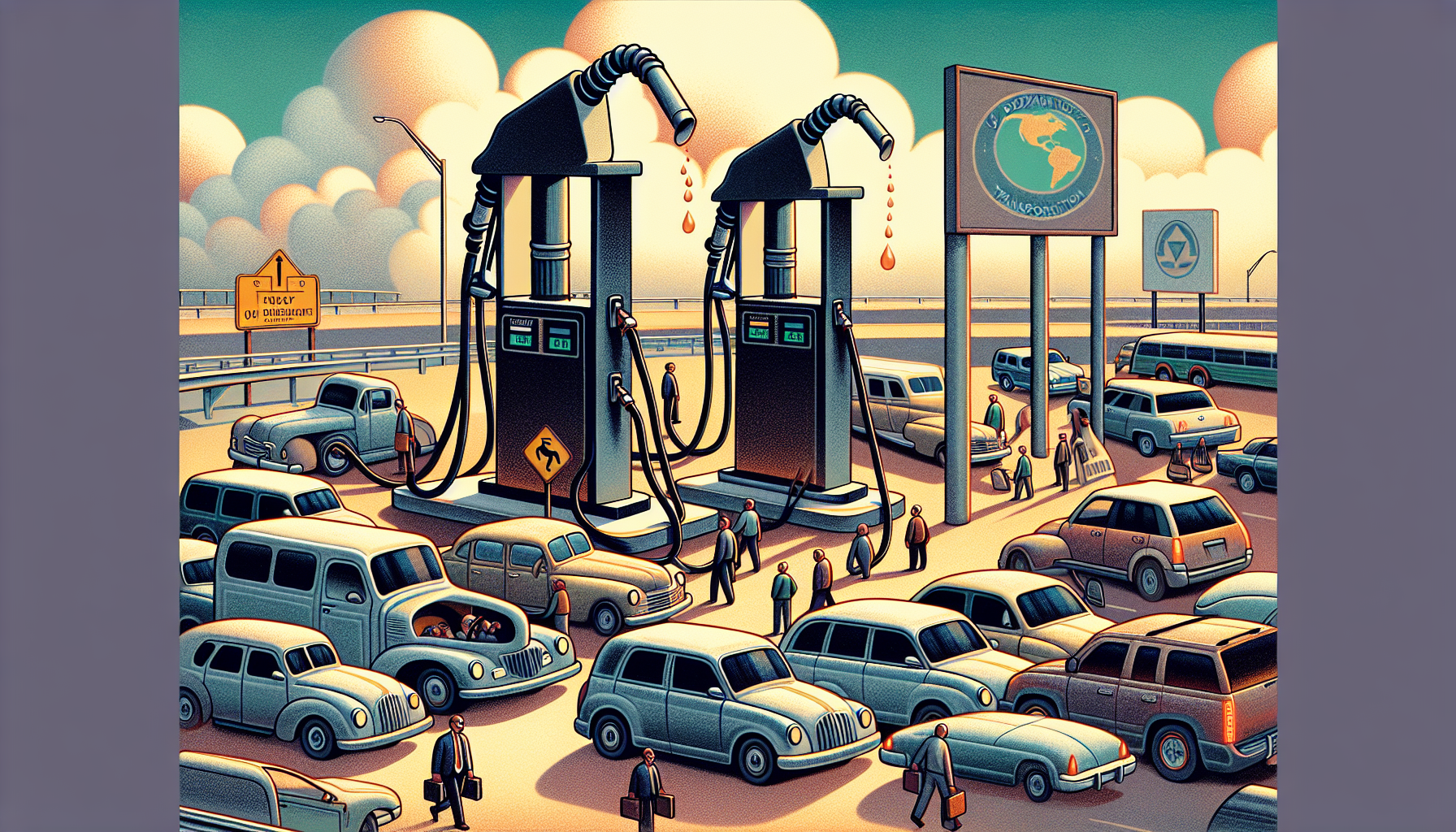
Trump Administration Reverses Fuel Efficiency Standards
The Trump administration is making substantial moves to undo climate policies that were previously established by President Joe Biden. This action is poised to affect fuel efficiency standards for automobiles and light trucks, potentially influencing both the automotive sector and the environment.
Proposed Adjustments to Fuel Efficiency Standards
According to the proposed regulations from the National Highway Traffic Safety Administration (NHTSA), the fuel efficiency standards for the model year 2031 will be lowered to an average of 34.5 miles per gallon. This represents a notable reduction from the 50.4 miles per gallon benchmark set by the Biden administration, which sought to promote the uptake of electric vehicles (EVs) among American drivers.
Effect on Electric Vehicle Adoption
The decrease in fuel efficiency standards is predicted to hinder the adoption of electric vehicles in the United States. The Biden administration had introduced measures to advance EVs, including a tax incentive for purchasing electric vehicles. However, the current administration terminated this tax incentive during the summer, further deterring the transition towards cleaner energy vehicles.
Global Competition in the EV Market
While the United States reduces its EV efforts, international producers are progressing in the creation of sophisticated electric vehicles. These manufacturers are launching appealing new models in different markets, but US consumers might not have access to these options due to tariffs. This situation could potentially disadvantage the US in the global race to dominate the EV market.
Economic and Environmental Consequences
The Trump administration asserts that the rollback of fuel efficiency standards will decrease the average price of a new vehicle by $1,000 and result in savings of $109 billion over a five-year period. Nevertheless, this action could lead to wider economic and environmental ramifications. Gas prices are predicted to rise if the Environmental Protection Agency successfully overturns the determination that climate change has harmful effects on humans. Furthermore, the financial and human toll of catastrophic weather occurrences, anticipated to escalate with global warming, remains a major concern.
Conclusion
The reversal of fuel efficiency standards by the Trump administration represents a significant change in US climate policy. While portrayed as a cost-saving strategy, it prompts concerns about the long-term economic and environmental repercussions. As international manufacturers continue to progress in the EV domain, the US may encounter difficulties in preserving its competitive advantage.
Q&A
Q1: What are the newly proposed fuel efficiency standards by the Trump administration?
A1: The proposed standards call for an average of 34.5 miles per gallon for cars and light trucks in the model year 2031.
Q2: How might this alteration impact electric vehicle adoption in the US?
A2: The decrease in fuel efficiency standards and the discontinuation of the EV tax incentive could slow down the adoption of electric vehicles in the United States.
Q3: What are the potential economic advantages of the rollback as stated by the Trump administration?
A3: The administration claims that the rollback will lower the average cost of a new car by $1,000 and generate savings of $109 billion over five years.
Q4: How could international competition in the EV domain impact the US?
A4: Consumers in the US may lose access to advanced EV models offered in other markets due to tariffs, which could place the US at a disadvantage in the global EV industry.
Q5: What environmental issues are associated with the rollback?
A5: The rollback could lead to rising gas prices and worsen the financial and human costs associated with climate change-induced weather events.
