
Volkswagen’s ID. Polo: Returning to Real Buttons in Automobiles
The Revival of Physical Controls
In an era increasingly led by touchscreens and digital interfaces, Volkswagen is boldly reverting to fundamentals with the launch of the ID. Polo. This compact electric vehicle (EV) signifies the commencement of a revival for genuine buttons in automobiles, a strategy that could reshape user experience in the automotive field. Volkswagen’s head designer, Andreas Mindt, highlighted the necessity of developing an interior that feels both familiar and reliable, featuring discernible physical buttons that deliver stability and appeal.
A Dedication to Tangible Interfaces
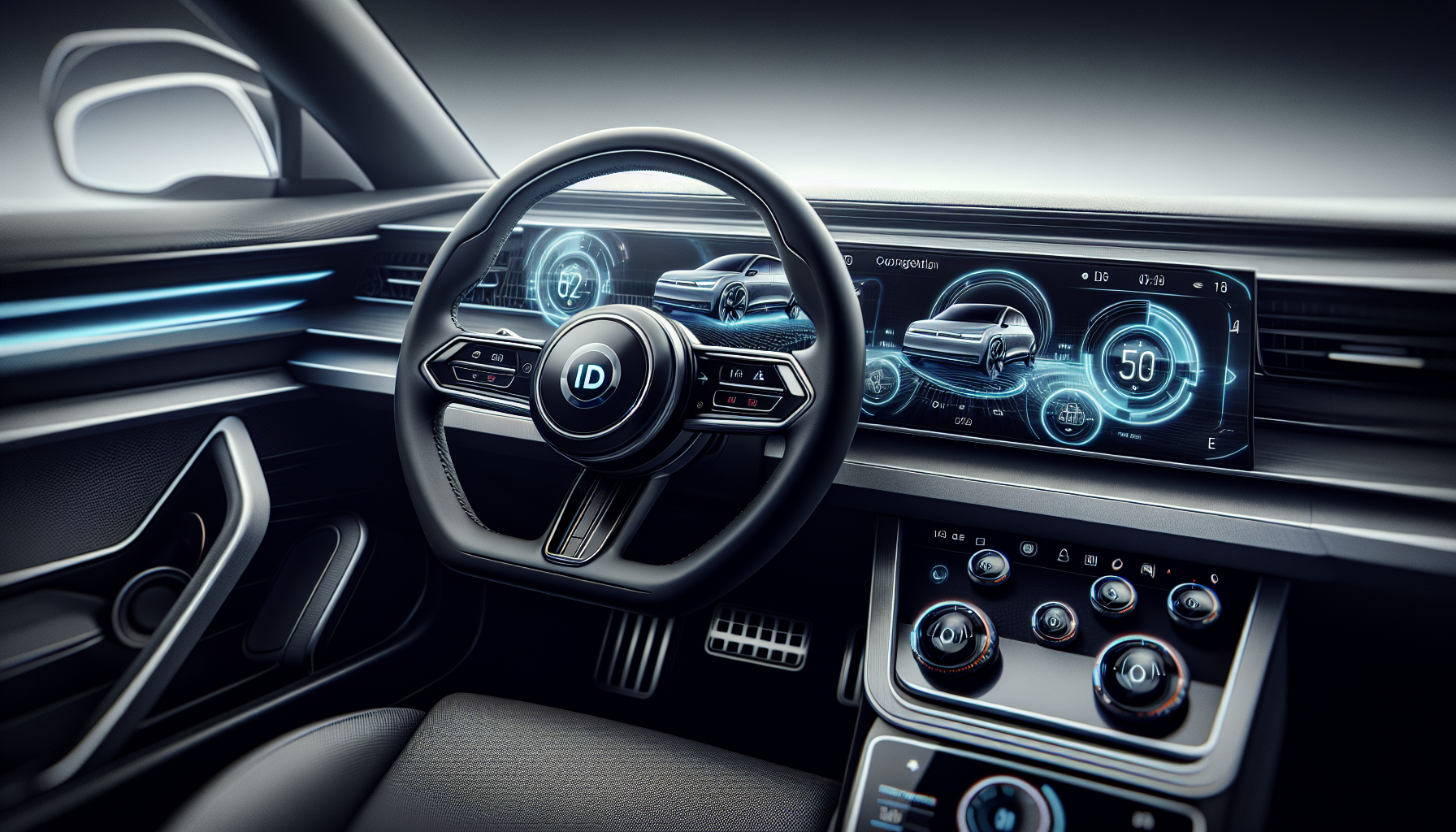
Volkswagen’s resolve to reintroduce physical buttons is more than just a passing phase. Last year, Mindt confirmed that the company would integrate tangible controls for vital functions in each new model, commencing with the ID. 2all concept vehicle, which has now transformed into the ID. Polo. This commitment is reflected in the design of the ID. Polo, which includes buttons situated beneath the infotainment screen and a steering wheel with added controls. A significant enhancement is the audio control dial, enabling users to modify volume or change tracks effortlessly.
Contemporary Meets Vintage
Even with the focus on physical buttons, the ID. Polo embraces modern technology. It features a 10.25-inch digital cockpit situated behind the steering wheel and a nearly 13-inch touchscreen for the infotainment system. For those who enjoy a hint of nostalgia, the ID. Polo presents a retro-themed cockpit display reminiscent of the iconic Golf I from the 1980s. This feature can be activated via a button on the steering wheel or through the infotainment touchscreen.
Volkswagen’s EV Growth
The ID. Polo is poised to be the first of four new EVs in Volkswagen’s small and compact car sector, with launches expected in European markets starting this year. This growth underscores Volkswagen’s commitment to offering a varied selection of electric vehicles, addressing diverse consumer preferences and requirements. However, it is important to note that the ID. Polo will not be offered in the US market, which may disappoint some American enthusiasts of the brand.
Conclusion
Volkswagen’s ID. Polo signifies a major transformation in automotive design, merging the familiarity of physical buttons with contemporary digital interfaces. This strategy not only improves user experience but also raises the bar for future vehicle designs. As Volkswagen continues to broaden its EV lineup, the ID. Polo serves as a symbol of the brand’s innovative character and dedication to customer satisfaction.
Q&A Segment
What distinguishes the ID. Polo’s interior design?
The ID. Polo’s interior design is distinctive due to its fusion of physical buttons and modern digital interfaces. This combination provides a user-friendly experience that feels both accessible and novel.
Why is Volkswagen bringing back physical buttons in their vehicles?
Volkswagen is reintegrating physical buttons to offer a more reliable and trustworthy user experience. Physical controls facilitate easier usage without distraction, improving safety and convenience.
Will the ID. Polo be sold in the US?
No, Volkswagen currently has no intention of launching the ID. Polo in the US market. It will be offered in European markets beginning this year.
How does the ID. Polo feature vintage design elements?
The ID. Polo includes a retro-themed cockpit display that resembles the classic Golf I from the 1980s. This can be activated through a button on the steering wheel or via the infotainment touchscreen.
What are the primary features of the ID. Polo’s infotainment system?
The ID. Polo’s infotainment system features a nearly 13-inch touchscreen and a 10.25-inch digital cockpit. It also includes physical buttons and a knob for audio control, ensuring a versatile and user-friendly interface.
