Apple 03
Malicious CAPTCHA Exploit Aims at Mac Users to Deploy Malware through Terminal
Malicious CAPTCHA Exploit Targets Mac Users: Understanding ClickFix As cyber threats progress, so do the methods utilized by hackers to penetrate systems...
- Published
- Updated
3 minute read
Malicious CAPTCHA Exploit Targets Mac Users: Understanding ClickFix
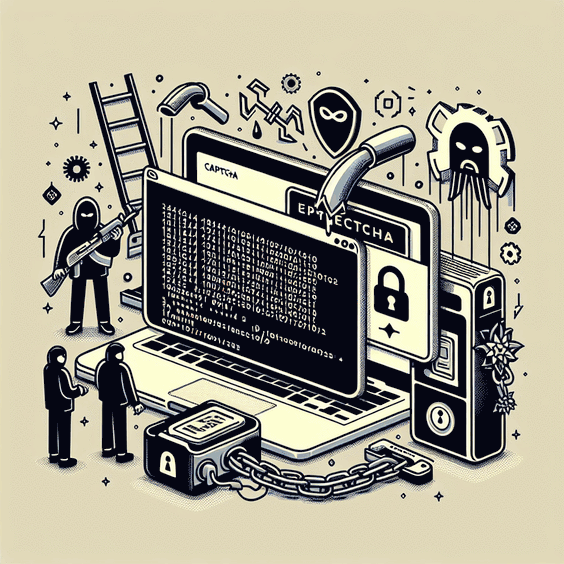
As cyber threats progress, so do the methods utilized by hackers to penetrate systems. One of the latest menaces, ClickFix, aims at Mac users by masking malware as ordinary human verification tasks. This advanced form of social engineering manipulates users’ trust in common CAPTCHA systems, transforming a straightforward verification step into a gateway for malware.
What is ClickFix?
ClickFix represents a fresh attack vector that merges counterfeit human-verification prompts with malware. Users are deceived into launching system tools like Terminal and pasting commands, under the pretense of finishing a CAPTCHA. This strategy efficiently circumvents standard security measures, placing the responsibility on the user to run the harmful code.
How ClickFix Operates
Typically, CAPTCHAs are utilized to distinguish humans from automated bots. However, ClickFix inverts this well-known process against users. After visiting compromised sites or clicking on harmful advertisements, users come across fraudulent CAPTCHA pages. Rather than displaying typical image selections or checkboxes, these pages direct users to open Terminal and paste a command, resulting in malware installation.
The installed malicious software has the capability to steal sensitive information, such as passwords, browser data, and cryptocurrency wallets. ClickFix campaigns have proliferated swiftly, with security specialists observing a 500% rise in detections from 2026 to 2026.
The Rapid Spread of ClickFix
Initially recognized in 2026, ClickFix campaigns have evolved, utilizing countdown timers and video guides to lead victims. Some even leverage JavaScript to automatically copy harmful commands to a user’s clipboard. Originally aimed at Windows systems, variants now specifically target macOS devices, customizing instructions for Mac users.
Why ClickFix Bypasses Security Defenses
ClickFix scams evade numerous traditional security defenses by shifting the execution requirement to the user. Unlike older malware, which depended on downloads, ClickFix depends on social engineering, exploiting users’ confidence in routine system prompts. The strategy employs legitimate system utilities like Terminal, complicating detection as malicious activity by security software.
Staying Safe from ClickFix Scams
To safeguard against ClickFix and similar threats, users must be alert regarding verification prompts. Genuine CAPTCHAs will never request users to open Terminal or paste commands. If such a request arises, users should promptly close the page. Keeping browsers and operating systems up to date, along with employing modern security tools, can also lessen exposure to these threats.
Conclusion
ClickFix symbolizes an escalating trend in cyber threats that exploit user behavior instead of software vulnerabilities. While macOS security measures can thwart traditional malware, they cannot prevent a user from executing harmful commands. Awareness and caution are the most potent defenses against such refined social engineering attacks.
Q&A
Q1: What is ClickFix?
A: ClickFix is a new cyber threat that disguises malware as counterfeit human-verification prompts, deceiving users into executing harmful commands on their devices.
Q2: How does ClickFix exploit CAPTCHA systems?
A: ClickFix employs fake CAPTCHA pages that instruct users to launch system tools like Terminal and paste commands, leading to malware installation.
Q3: Why are Macs targeted by ClickFix?
A: While initial campaigns centered on Windows, variants now focus on macOS users, exploiting their trust in commonplace verification processes.
Q4: How can I identify a fake CAPTCHA?
A: Authentic CAPTCHAs will not ask you to open Terminal or paste commands. If a verification prompt does, it is likely malicious.
Q5: How can I protect myself from ClickFix?
A: Remain alert about unexpected verification prompts, maintain updated systems, and use modern security tools to minimize exposure to threats.
Q6: Are traditional security measures effective against ClickFix?
A: Conventional measures may not recognize ClickFix, as it relies on user execution of commands. Awareness and caution are critical defenses.
Q7: What data can ClickFix malware steal?
A: Once installed, ClickFix malware can extract passwords, browser information, and cryptocurrency wallet data from compromised devices.