Reviews 04
Artemis II Enters Lunar Orbit in Readiness for Moon Mission
Artemis II: The Next Great Human Endeavor into Deep Space Entering the Moon's Gravitational Influence Artemis II, NASA's bold initiative to reintroduce...
- Published
- Updated
4 minute read
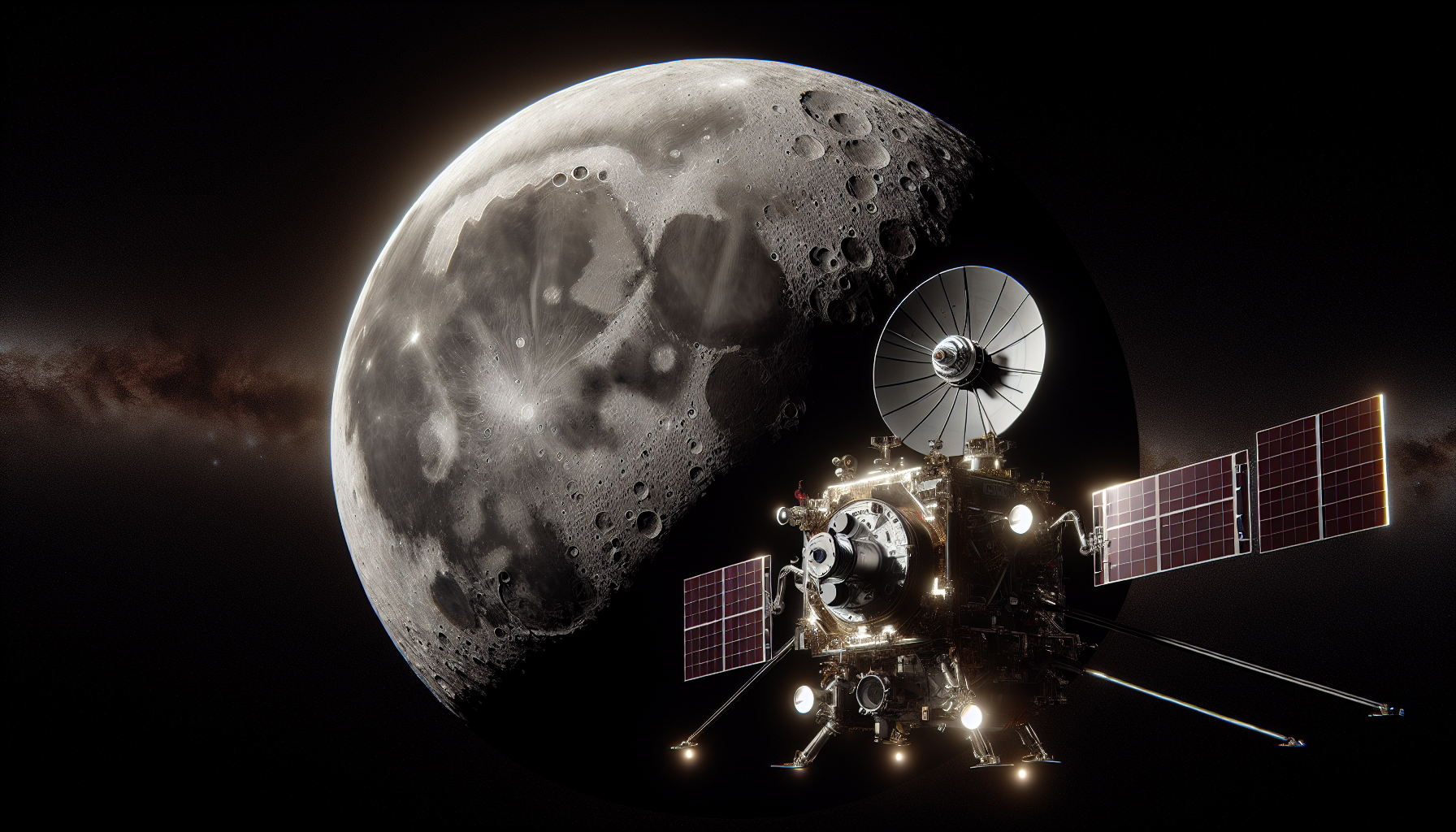
Artemis II: The Next Great Human Endeavor into Deep Space
Entering the Moon’s Gravitational Influence
Artemis II, NASA’s bold initiative to reintroduce humans to the Moon, has achieved a critical benchmark. The spacecraft, with a crew of four, has now entered the Moon’s “gravitational influence.” This indicates that the lunar gravitational force now takes precedence over Earth’s gravity on the spacecraft. This shift was observed at a distance of 39,000 miles from the Moon, representing a remarkable advancement in the mission’s schedule.
Setting New Records and Achievements
As the Artemis II initiative unfolds, it is poised to set new historical benchmarks. The team, which includes astronauts Reid Wiseman, Christina Koch, Victor Glover, and Canada’s Jeremy Hansen, is on track to travel 252,757 miles from Earth. This journey will exceed the earlier record established by the Apollo 13 team by more than 4,000 miles, marking it as the farthest distance ever achieved by humans from Earth. This mission signifies the first occasion humans have ventured beyond the lunar boundary since the Apollo 17 mission in 1972.
Preparations for the Lunar Approach
In gearing up for the lunar flyby, the Artemis II crew has been working hard on several tasks. These tasks include demonstrations of manual piloting, assessment of scientific targets for a six-hour observation phase, and testing their space suits. These suits are essential for emergency life support and for their eventual return to Earth. Amid their hectic agendas, the crew has also been privileged to enjoy stunning views of Earth from the Orion spacecraft.
The Lunar Flyby and Historic Journey
The Orion spacecraft is anticipated to reach the area surrounding the Moon shortly after midnight on April 6. Later that same day, the team will mark a historic achievement by traveling farther than any humans before them. The lunar observation period is slated to commence at 2:45 PM ET, during which the crew will temporarily lose communication as they navigate behind the Moon. The spacecraft will make its closest approach to the lunar surface at 7:02 PM, coming within 4,066 miles. From this perspective, the crew will have a view of the entire lunar disk, including its polar regions.
Viewing a Solar Eclipse from Orbit
One of the most awaited moments of the mission is the solar eclipse. As the Orion spacecraft positions itself in line with the Moon and the Sun, the astronauts will witness an extraordinary sight of the Sun fading behind the Moon for approximately an hour. This astronomical phenomenon will serve as a highlight of the expedition, providing a rare view into the relationships within our solar system.
Conclusion
Artemis II is more than merely a journey to the Moon; it is a celebration of human creativity and the drive for exploration. By advancing the limits of space travel, NASA is setting the stage for future missions that will propel us further into the universe. As the crew embarks on this record-setting journey, they bear the aspirations and dreams of humanity, motivating the next generation of adventurers.
FAQ Section
Q1: What does it mean to enter the Moon’s gravitational influence?
A1: Entering the Moon’s gravitational influence signifies that the spacecraft is predominantly influenced by the Moon’s gravity compared to Earth’s, indicating an important stage in the mission.
Q2: What is the total distance the Artemis II crew will cover from Earth?
A2: The crew will traverse 252,757 miles from Earth, surpassing the previous Apollo 13 record by over 4,000 miles.
Q3: What kind of preparations did the crew perform for the lunar flyby?
A3: The crew carried out manual piloting exercises, assessed scientific objectives, and tested their space suits for safety and emergency scenarios.
Q4: When is the lunar observation phase expected to begin?
A4: The lunar observation phase will kick off at 2:45 PM ET on April 6.
Q5: What special occurrence will the crew experience during the mission?
A5: The crew will experience a solar eclipse from space as the Orion spacecraft aligns with the Moon and the Sun.
Q6: What makes Artemis II a significant mission in history?
A6: Artemis II is noteworthy as it represents the first time humans have crossed the lunar boundary since 1972 and establishes a new record for the farthest distance humans have traveled from Earth.