
The RAM Deficit and Its Consequences for the PC Industry
The Increasing Expense of RAM
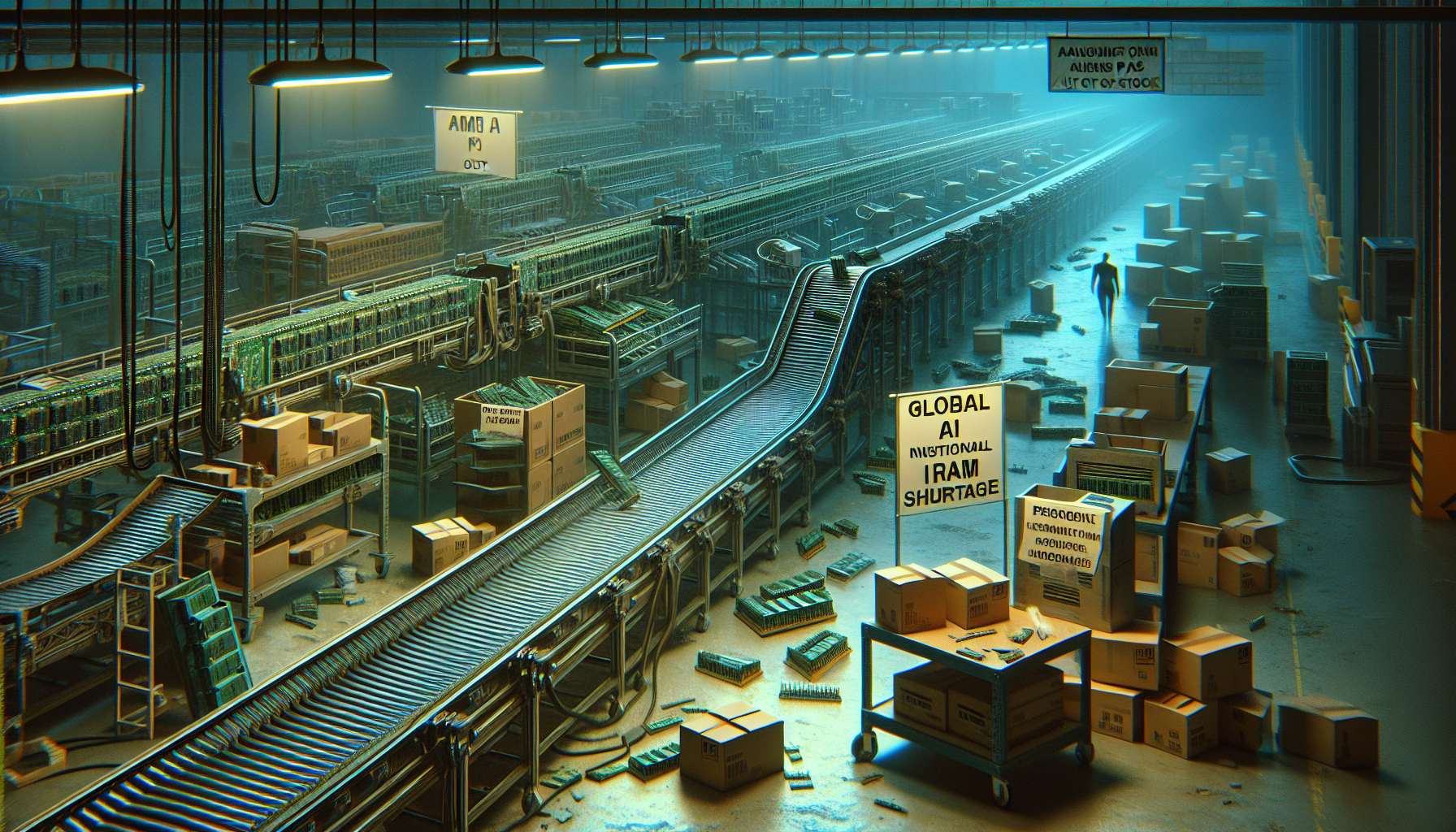
The worldwide RAM market is currently facing a notable deficit, resulting in a steep rise in prices. This situation is especially troubling for consumers aiming to purchase, construct, or enhance their computers. The deficit is mainly fueled by the rising needs of data centers, driven by the AI expansion, which has created a shortage of RAM and flash memory chips. Consequently, prices have surged, impacting the entire PC sector.
The Implications for AI PCs
The rise in RAM prices might unintentionally hinder the spread of AI PCs. These machines, which demand considerable memory and computational capacity, are becoming less affordable due to the heightened expenses. While this may be disheartening for tech enthusiasts eager to delve into AI functionalities, it could provide relief for those feeling pressured by the relentless move towards AI integration in personal computing.
Market Forecasts for 2026 and Later
Ben Yeh, principal analyst at the tech research firm Omdia, projects that the prices of standard PC memory and storage are anticipated to increase by 40 to 70 percent by 2026. This rise is likely to be passed down to consumers, resulting in costlier PCs. Despite these obstacles, global PC shipments are showing growth, with Omdia indicating a 9.2 percent rise in 2026 compared to 2026, while IDC notes a 9.6 percent increase. However, analysts foresee a turbulent market in 2026.
Approaches to Address the RAM Deficit
It is expected that PC manufacturers will cope with the RAM shortage by elevating prices and introducing computers with lower memory specs. IDC foresees price increases of 15 to 20 percent and a decrease in average RAM specifications to manage inventory. Omdia’s Yeh suggests that manufacturers will concentrate on slimmer mid- to low-tier configurations to safeguard profit margins.
Effects on Various Market Segments
The RAM shortage is anticipated to have a prolonged effect beyond 2026, particularly impacting budget-conscious consumers. Jitesh Ubrani, research manager for global mobile device trackers at IDC, believes that vendors will likely focus on midrange and premium systems to counterbalance rising component costs, particularly in memory. This approach may restrict options for budget-sensitive buyers.
Conclusion
The persistent RAM shortage presents considerable hurdles for both the PC industry and consumers. As prices continue to ascend, manufacturers and buyers must navigate a transforming market landscape. While the deficit may decelerate the uptake of AI PCs, it also emphasizes the necessity for creative solutions to manage component expenses and ensure accessibility across all market segments.
Q&A Section
What is the reason behind the RAM shortage?
The RAM shortage is chiefly caused by heightened demand from data centers, driven by the AI surge, resulting in a lack of RAM and flash memory chips.
How are PC manufacturers reacting to the RAM shortage?
Manufacturers are increasing prices and launching computers with reduced memory specifications to address the shortage and safeguard inventory.
Will the RAM shortage influence all PC buyers?
The shortage will notably affect cost-sensitive consumers, as manufacturers tend to favor midrange and premium systems to balance the higher component costs.
What are the forecasts for the PC market in 2026?
Experts anticipate a considerable surge in PC memory and storage costs, while global PC shipments continue to exhibit growth in spite of these challenges.
How long is the RAM shortage expected to persist?
The shortage is projected to endure past 2026, impacting the market for several years.
Will the RAM shortage impede the adoption of AI PCs?
Indeed, the rising costs may render AI PCs less accessible, hindering their adoption amongst consumers.
