
The Emergence of AI Content: A New Chapter for Instagram
The Prevalence of AI Content on Social Media
By 2026, content generated by AI started to take center stage in our social media experiences, significantly transforming platforms such as Instagram. Adam Mosseri, the CEO of Instagram, forecasts that AI-driven visuals will soon eclipse those created without AI, redefining the influence of creators and photographers. This transition prompts discussions regarding authenticity and the future landscape of content creation online.
The Effects on Creators and Photographers
Mosseri recognizes that AI has opened up creative opportunities, making it possible for anyone with the right resources to generate captivating content. This change questions the established value of creators, who previously distinguished themselves through their distinctive voices and authentic interactions. As artificial content saturates our feeds, the line between genuine and AI-generated material increasingly blurs.
Identifying AI Content: A New Dilemma
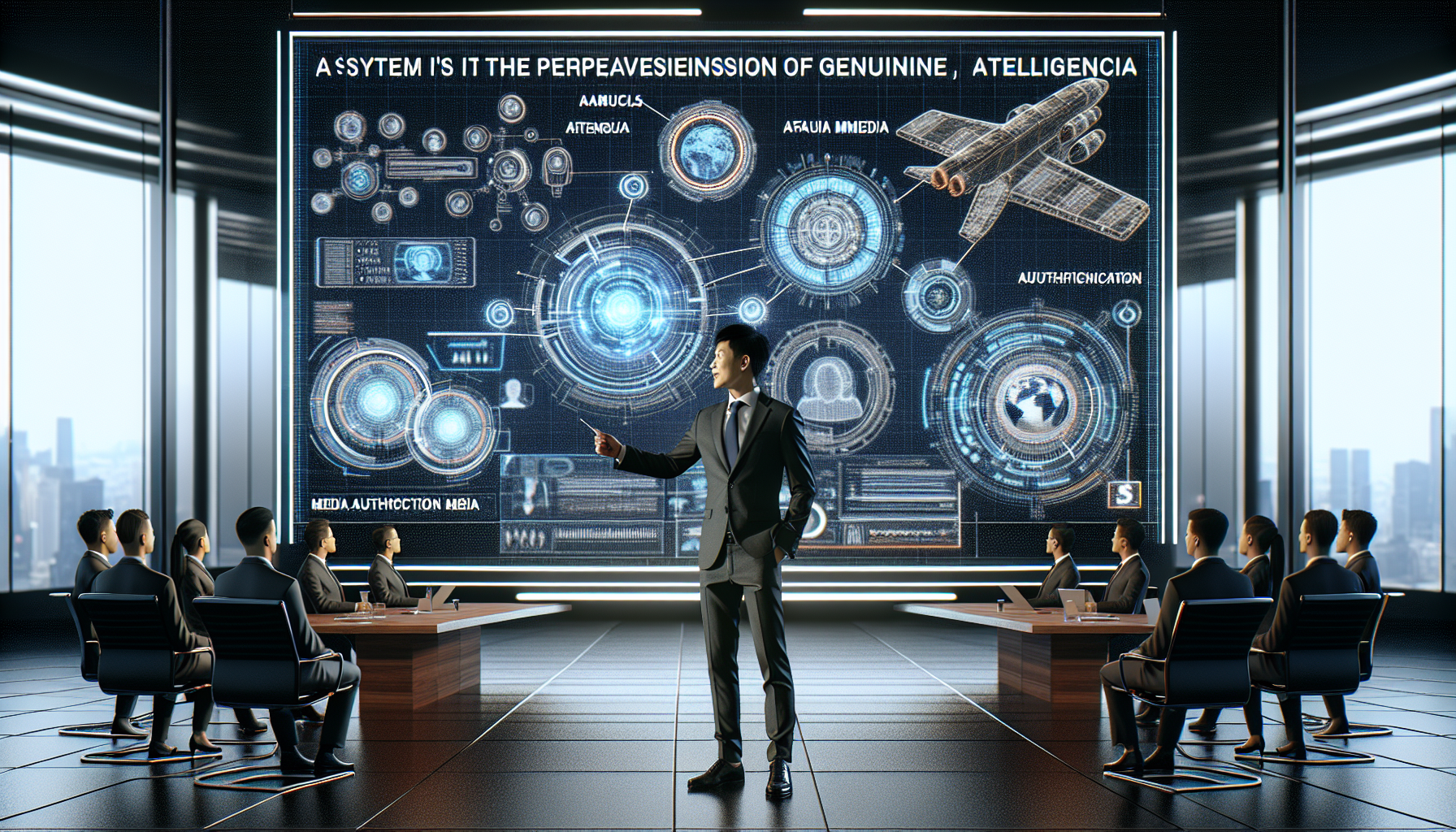
Mosseri indicates that social media platforms will likely encounter intensified demands to detect and label AI-generated content. However, with the progression of AI technology, differentiating between authentic and artificial content becomes more complex. He suggests a paradigm shift: focusing on identifying genuine media rather than pursuing deceptive content. This strategy could include camera makers cryptographically signing images during capture, thereby ensuring their authenticity.
The Shortcomings of Existing AI Detection
In spite of substantial investments in AI, companies like Meta find it challenging to effectively detect content generated or altered by AI. Techniques such as watermarks have proven ineffective, as they can be easily removed or disregarded. Mosseri’s acknowledgment of these obstacles underscores the necessity for innovative methods to confirm content authenticity.
The Future of Instagram’s Visual Identity
Mosseri foresees a move away from the sleek, polished look that has traditionally characterized Instagram. He proposes that creators should adopt unrefined and candid images to showcase authenticity in a world dominated by AI. This transformation may alienate photographers and creators who are dissatisfied with Instagram’s shifting algorithm and its effects on their visibility.
Conclusion
As AI content continues to rise, Instagram and other social media platforms are challenged to uphold authenticity and support creators. Mosseri’s perspectives indicate a future where raw, sincere content becomes a signature of genuine creators, while technology evolves to authenticate that content. The equilibrium between AI advancement and creator empowerment will determine the trajectory of social media.
Q&A
Q1: What will be the impact of AI content on traditional photographers in Instagram?
A1: AI content poses a challenge to the conventional role of photographers by democratizing access to creative tools. Photographers may need to adapt by prioritizing authenticity and unpolished aesthetics to differentiate themselves.
Q2: What is the concept of fingerprinting real media, and how is it implemented?
A2: Fingerprinting real media is the process of cryptographically signing images during capture to confirm authenticity. This technique establishes a chain of custody, ensuring that the content remains genuine and unchanged.
Q3: What are the reasons for the unreliability of current AI detection techniques?
A3: Current techniques, such as watermarks, can be effortlessly removed or ignored. As AI technology progresses, distinguishing between authentic and artificial content becomes increasingly difficult, requiring fresh approaches.
Q4: How could modifications to Instagram’s algorithm influence creators?
A4: Changes in Instagram’s algorithm may impact the visibility and engagement of creators. Adapting to new aesthetics and aligning with platform trends can assist creators in retaining their audience.
Q5: What does Mosseri refer to when he mentions a “dead” polished aesthetic?
A5: Mosseri indicates that the time of professionally polished images has come to an end. In contrast, raw and unrefined content will gain more appreciation as a symbol of authenticity in an AI-influenced environment.
