Apple 04
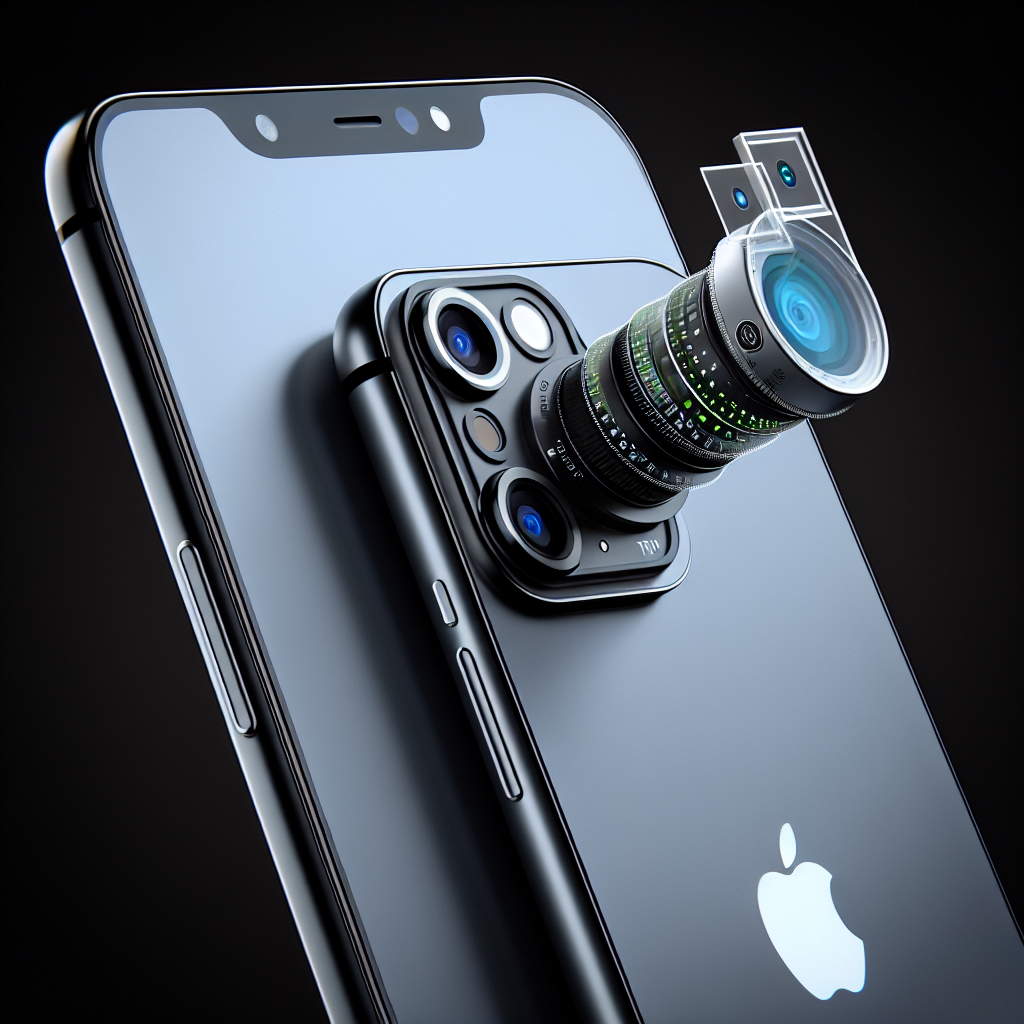
iPhone 18 Pro’s Alleged Adjustable Aperture: Elevating Your Photography Journey
iPhone 18 Pro's Adjustable Aperture: Revolutionizing Mobile Photography The tech community is buzzing with excitement about Apple's anticipated iPhone 18...
- Published
4 minute read
iPhone 18 Pro’s Adjustable Aperture: Revolutionizing Mobile Photography
The tech community is buzzing with excitement about Apple’s anticipated iPhone 18 Pro, which is rumored to incorporate revolutionary advancements in its camera technology. With hints of an adjustable aperture system, this newest version is set to improve your photography experience by producing more polished and visually captivating images. Let’s explore the specifics of this thrilling innovation and its implications for photography fans.
Improving Portrait Photographs with Adjustable Apertures
Among the most eagerly awaited features of the iPhone 18 Pro is the addition of an adjustable aperture camera system. In contrast to conventional smartphone cameras with a fixed aperture, this technology permits photographers to modify the aperture settings, thereby managing the light entering the sensor. This will allow users to achieve a natural bokeh effect without solely depending on computational photography. The adjustable aperture is likely to offer enhanced focus control, resulting in more professional-looking portraits with a smooth bokeh backdrop.
The Innovative Camera Sensor and Stabilization Features
The iPhone 18 Pro is said to feature a 1/1.12-inch super-sized primary camera sensor, significantly improving image quality by capturing more light and detail. Furthermore, the device is rumored to incorporate optical image stabilization for its ultra-wide lenses, guaranteeing sharper images even in difficult shooting conditions. The 200MP telephoto camera further enhances its remarkable photographic potential, promising crystal-clear zoomed-in images.
The Function of Curved Apertures
A distinctive element of the iPhone 18 Pro’s camera system is the slightly curved aperture. This development could lead to more circular and visually appealing bokeh effects, providing a softer appearance to out-of-focus regions in portrait photographs. Additionally, curved apertures may contribute to sharper images by optimizing light control before it hits the camera’s sensor, thus minimizing the need for optical corrections.
Apple’s Patent and the Prospects of Mobile Photography
Apple’s ingenuity does not stop with the adjustable aperture of the iPhone 18 Pro. A 2016 patent suggests the use of a spherical photosensor and lens array, featuring a concave sensor surface aimed at enhancing light capture per pixel. Although this technology has yet to be introduced, it possesses the potential to transform mobile photography by delivering sharper, low-distortion images.
Evaluating Rumor Credibility
While leaks from platforms such as Weibo often generate buzz, it is crucial to approach them with a healthy level of skepticism. Digital Chat Station, known for its occasional accuracy, has been a source of these speculations. Although conversations about adjustable apertures began in 2024, the confirmation of its presence in the iPhone 18 Pro remains uncertain. Still, the likelihood of such a feature represents an exciting advancement for iPhone photography.
Conclusion
The proposed adjustable aperture system in the iPhone 18 Pro marks a significant advancement in smartphone camera technology. By providing users with enhanced control over focus and light, Apple is set to elevate mobile photography to unprecedented levels. While these speculations pervade, the possibility of capturing stunning images with increased depth and detail is undeniably appealing for both photography enthusiasts and casual users.
Q&A: Essential Questions Regarding the iPhone 18 Pro’s Camera Features
Q1: What is an adjustable aperture, and how does it enhance photography?
An adjustable aperture allows photographers to modify the camera’s aperture settings, controlling the amount of light entering the sensor. This leads to improved focus control and the ability to create natural bokeh effects without relying solely on software.
Q2: What benefits does a larger camera sensor provide?
A larger camera sensor, such as the speculated 1/1.12-inch one in the iPhone 18 Pro, captures more light and detail, resulting in superior image quality, particularly in low-light settings.
Q3: How does optical image stabilization improve photography?
Optical image stabilization mitigates blurriness caused by camera shake, allowing for sharper images and clearer video footage, especially in low-light scenarios or when employing longer exposure times.
Q4: What is the importance of a curved aperture in smartphone cameras?
A curved aperture can yield more visually appealing bokeh effects and sharper images by optimizing light management before it reaches the sensor, thereby minimizing the need for additional optical corrections.
Q5: How credible are rumors from platforms such as Weibo?
Although Weibo is a well-known source for tech rumors, the reliability of such information can vary. It is wise to treat these leaks with caution until official announcements are made.
Q6: Could Apple’s 2016 patent influence future iPhones?
Apple’s patent for a spherical photosensor and lens array could transform mobile photography by enhancing light capture and decreasing image distortion. While it has not yet been implemented, it remains a promising possibility for future iPhone models.