Apple 04
Apple Engaged in Talks with Intel and Samsung to Produce Essential Device Processors
Apple’s Strategic Shift: Examining New Chip Alliances Apple is said to be investigating new collaborations with Samsung and Intel to broaden its chip...
- Published
4 minute read
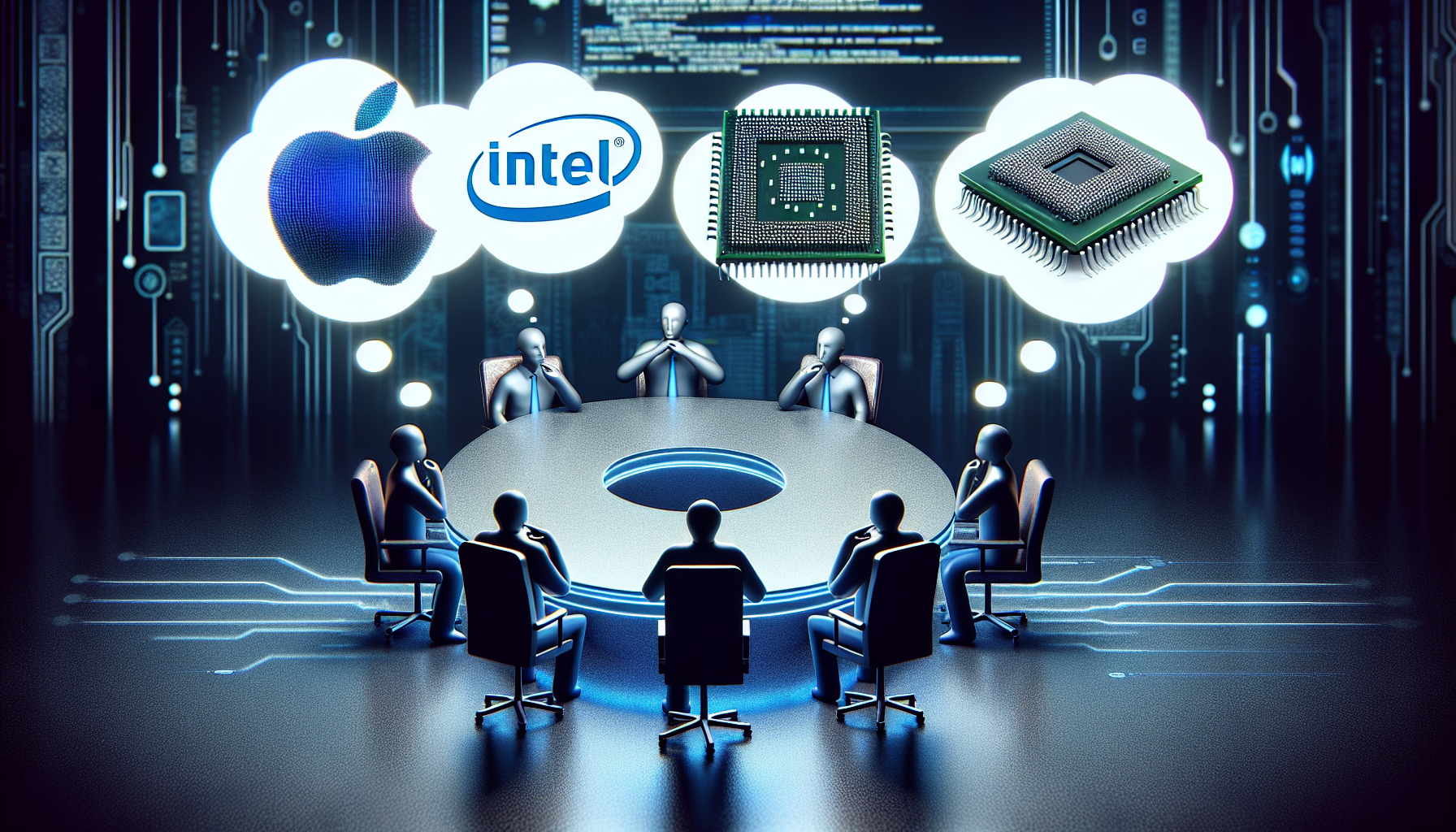
Apple’s Strategic Shift: Examining New Chip Alliances
Apple is said to be investigating new collaborations with Samsung and Intel to broaden its chip manufacturing options. This strategic initiative aims to lessen Apple’s dependency on Taiwan Semiconductor Manufacturing Company (TSMC), its chief supplier for more than ten years. This article explores the motivations behind Apple’s choice, the possible effects on the tech sector, and the implications for the future of Apple gadgets.
The Necessity for Diversification
Supply Chain Vulnerabilities
Apple’s reliance on TSMC for its primary device chips has raised alarms about supply chain vulnerabilities. Former CEO Tim Cook pointed out these concerns, emphasizing that dependence on a single supplier restricts flexibility. The worldwide chip shortage, worsened by heightened demand for AI products, has further highlighted the necessity for diversification.
Geopolitical Considerations
Apple’s supply chain strategy is also shaped by geopolitical elements. The risk of supply interruptions due to strains between China and Taiwan has led Apple to explore other manufacturing sites. While TSMC has started fabricating some chips in Phoenix, Arizona, this only satisfies a small portion of Apple’s requirements.
Investigating New Alliances
Samsung and Intel as Possible Collaborators
Apple’s discussions with Samsung and Intel are in the initial phases, with no orders having been placed so far. Both firms are viewed as potential allies to support Apple in diversifying its supply chain. Nonetheless, Apple remains cautious about utilizing non-TSMC technology due to worries regarding performance and reliability.
Technological Hurdles
At present, TSMC is at the forefront of processor technology, planning to employ its 2nm process for the forthcoming iPhone 18 series. Samsung and Intel are making efforts to catch up, with Samsung recently asserting that it has developed a 2nm mobile chip. Intel is also pushing its technology forward, considering its 14A process for future Apple products.
The Path Forward for Apple
Impact on the Tech Sector
Should Apple succeed in broadening its chip suppliers, it could have profound repercussions for the tech industry. A collaboration with Apple would represent a significant triumph for Intel, which has been attempting to regain its competitive stature. Samsung could also gain from increased partnership with Apple.
Future Apple Products
While it remains uncertain which Apple products may incorporate Samsung or Intel chips, any modifications are anticipated to happen after 2027. Apple is expected to take a careful approach, ensuring that any new alliances fulfill its stringent standards for performance and quality.
Conclusion
Apple’s pursuit of new chip manufacturing partnerships signifies a critical juncture in its supply chain strategy. By potentially working together with Samsung and Intel, Apple aims to alleviate risks and enhance its adaptability. As the tech giant navigates these transitions, the industry will closely monitor how these alliances develop and their implications for the future of Apple offerings.
Q&A Session
Q1: Why is Apple aiming to diversify its chip suppliers?
A1: Apple is looking to minimize its dependence on a single supplier, TSMC, to improve supply chain flexibility and reduce risks linked to geopolitical tensions and global chip shortages.
Q2: What advantages could Intel and Samsung gain from partnering with Apple?
A2: Collaborating with Apple would represent a major advantage for both companies, potentially boosting their market share and enhancing their technological prowess.
Q3: How could this influence the performance of upcoming Apple products?
A3: Apple is careful about upholding performance and quality standards. Any fresh partnerships must align with these criteria, so significant shifts in device performance are not expected in the near term.
Q4: When can we expect to see Apple products featuring chips from Samsung or Intel?
A4: Devices equipped with Samsung or Intel chips are likely to be introduced after 2027, as Apple continues to rely on TSMC’s advanced technology for its upcoming offerings.
Q5: How does the geopolitical climate between China and Taiwan influence Apple’s supply chain strategies?
A5: Tensions between China and Taiwan present a risk of supply disruptions, prompting Apple to look for alternative manufacturing options to ensure continuity and stability in its supply chain.