Amazon 03
Apple Chooses Amazon Satellites for iPhone Connectivity Following Prior Rejection of Starlink Offer
Apple Teams Up with Amazon for Satellite Connectivity: A Transformative Phase for iPhone Users In a calculated strategy to improve connectivity, Apple has...
- Published
3 minute read
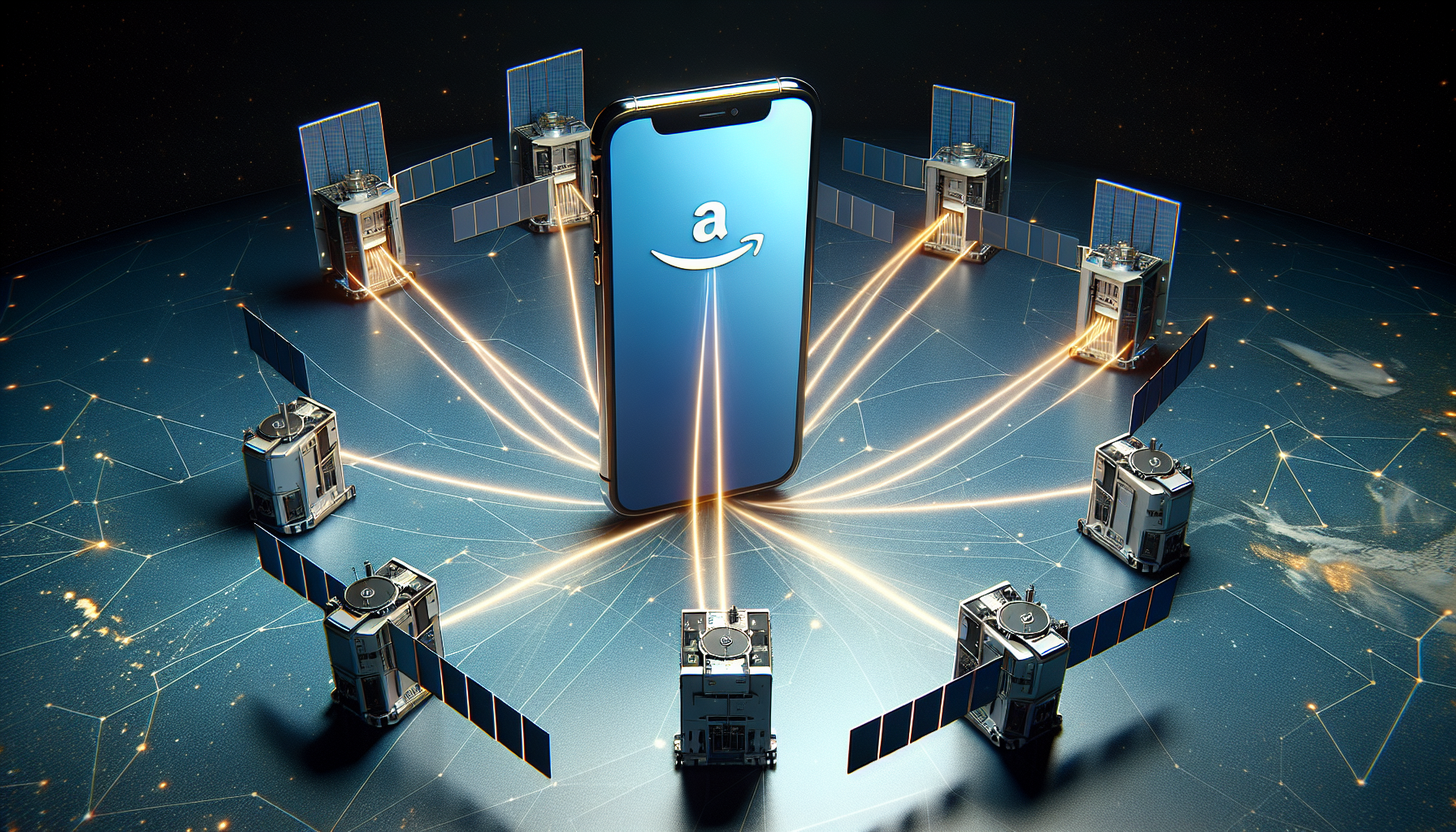
Apple Teams Up with Amazon for Satellite Connectivity: A Transformative Phase for iPhone Users
In a calculated strategy to improve connectivity, Apple has opted for Amazon’s satellite technology instead of Starlink for iPhone connectivity. This choice signifies a notable change in the technology arena, ensuring uninterrupted connectivity for users around the globe.
The Potential of Amazon’s Satellite Network
Amazon’s partnership with Globalstar is designed to utilize the integrated strengths of Globalstar’s spectrum alongside Amazon’s Leo satellite capabilities. This alliance aims to transform connectivity for individual consumers, businesses, and government sectors, particularly in isolated regions or areas lacking stable cellular network service.
The Role of the FCC in the Amazon/Globalstar Agreement
The Federal Communications Commission (FCC) is vital in sanctioning the Amazon/Globalstar agreement. Historically, there has been friction between Amazon and SpaceX in FCC regulatory discussions, with both parties contesting each other’s satellite deployment initiatives. Nonetheless, FCC Chairman Brendan Carr has indicated a willingness to support the Amazon/Globalstar transaction, aligning it with the US’s objective of leading advancements in next-generation direct-to-cell technologies.
Rivalry in the Satellite Connectivity Sector
The satellite connectivity sector is becoming more competitive. In addition to Amazon and Starlink, AST SpaceMobile is emerging as a strong contender, having established partnerships with AT&T and Verizon. Carr envisions a competitive landscape featuring at least three prominent satellite operators, similar to the present cellular market led by AT&T, Verizon, and T-Mobile.
Amazon’s Challenges and Criticisms
Amazon’s aspirations in the satellite domain have faced hurdles. The company has recently come under fire from Carr after it filed a petition aimed at blocking SpaceX’s proposal to launch up to 1 million satellites. Carr pointed out Amazon’s difficulties in achieving its satellite deployment targets, encouraging the company to concentrate on its own deployment objectives rather than opposing its rivals.
Amazon’s Satellite Deployment Goals
Amazon’s ambitious satellite deployment strategy necessitates the launching of half of its constellation by July 30, 2026. Although the company has sought a two-year extension, it asserts that it is manufacturing satellites at a quicker pace than they can be deployed. This swift production rate highlights Amazon’s dedication to creating a strong satellite network.
Conclusion
Apple’s choice to collaborate with Amazon for satellite connectivity marks a crucial juncture in the technology sector, promising improved connectivity for iPhone users globally. As competition within the satellite market intensifies, the partnership between Apple and Amazon could establish new benchmarks for connectivity solutions.
Q&A Session
Q1: Why did Apple opt for Amazon instead of Starlink for satellite connectivity?
Apple chose Amazon because of the synergistic strengths of Globalstar’s spectrum and Amazon’s satellite capabilities, providing a comprehensive approach for continuous connectivity.
Q2: What is the FCC’s involvement in the Amazon/Globalstar agreement?
The FCC must authorize the agreement, with its chairman, Brendan Carr, expressing support for the transaction, which aligns with the US’s vision for future direct-to-cell technologies.
Q3: How does Amazon’s satellite network stand against its rivals?
Amazon encounters competition from Starlink and AST SpaceMobile, with the latter forming partnerships with leading cellular operators such as AT&T and Verizon. The market is anticipated to feature at least three significant satellite operators.
Q4: What obstacles has Amazon encountered in its satellite deployment?
Amazon has faced criticism for failing to meet its deployment timelines and has applied for a two-year extension to launch half of its constellation by 2026.
Q5: In what ways will this partnership enhance the experience for iPhone users?
The collaboration promises improved connectivity for iPhone users, specifically in remote areas or locations with unreliable cellular service, by utilizing Amazon’s satellite technology.